





There's a quiet thief that starts visiting you in your thirties. It doesn't announce itself. It doesn't hurt — not yet. It simply removes, slowly and steadily, the thing you've always taken for granted: the ability to carry, to climb, to catch yourself when you stumble, to stand up from a low chair without thinking about it.
By the time most people notice, they've already lost years of ground.
What the science calls it
The medical term is sarcopenia — from the Greek sarx (flesh) and penia (loss). It describes the progressive, age-related decline in skeletal muscle mass, strength, and function. It was first named by Irwin Rosenberg in the late 1980s, and since then, research has only deepened the urgency around it.
The numbers are stark. You begin losing muscle mass sometime in your thirties. By your forties and fifties, strength declines at roughly 10–15% per decade. After 70, that rate accelerates sharply — 25–40% per decade. By age 80, between 11% and 50% of people meet the clinical criteria for sarcopenia, depending on how it's measured.
These aren't just numbers on a chart. They translate directly into whether you can carry your own groceries at 75. Whether you can get off the floor if you fall. Whether a hip fracture is something you recover from — or something that ends your independence.
It's not just about muscle
Sarcopenia doesn't exist in isolation. As muscle mass decreases, fat mass tends to increase, changing your entire body composition. This shift is associated with greater insulin resistance, higher rates of type 2 diabetes, cardiovascular disease, and osteoporosis. Research from the European Working Group on Sarcopenia in Older People found that people with sarcopenia had significantly higher prevalence of diabetes, chronic kidney disease, and cardiovascular conditions.
Bone density drops alongside muscle. This is not a coincidence — muscles pull on bones, and that mechanical loading is one of the primary signals that keeps bones rebuilding themselves. When the muscle goes, the bone follows. A 2022 meta-analysis of resistance training in older adults found that consistent training produced a positive effect on bone mineral density at the hip (0.64%) and lumbar spine (0.62%), enough to prevent age-related decline — not reverse it, but hold the line.
The intervention that works
There's no pharmaceutical replacement for what resistance training does. Hormonal therapies are being investigated, but the evidence remains inconclusive and the side effects significant. The single most effective intervention, backed by decades of randomized controlled trials, is progressive resistance training.
That doesn't mean CrossFit. It doesn't mean lifting until failure. It means loading your muscles against resistance — bodyweight, bands, springs, machines, free weights — in a progressive, controlled manner, with enough intensity to stimulate adaptation, and enough recovery to let adaptation happen.
The protocols that show the most consistent results in the literature involve two to three sessions per week, compound movements targeting both upper and lower body, moderate to high intensity (70–90% of one-rep maximum where applicable), and a minimum duration of twelve weeks — though the benefits compound over months and years.
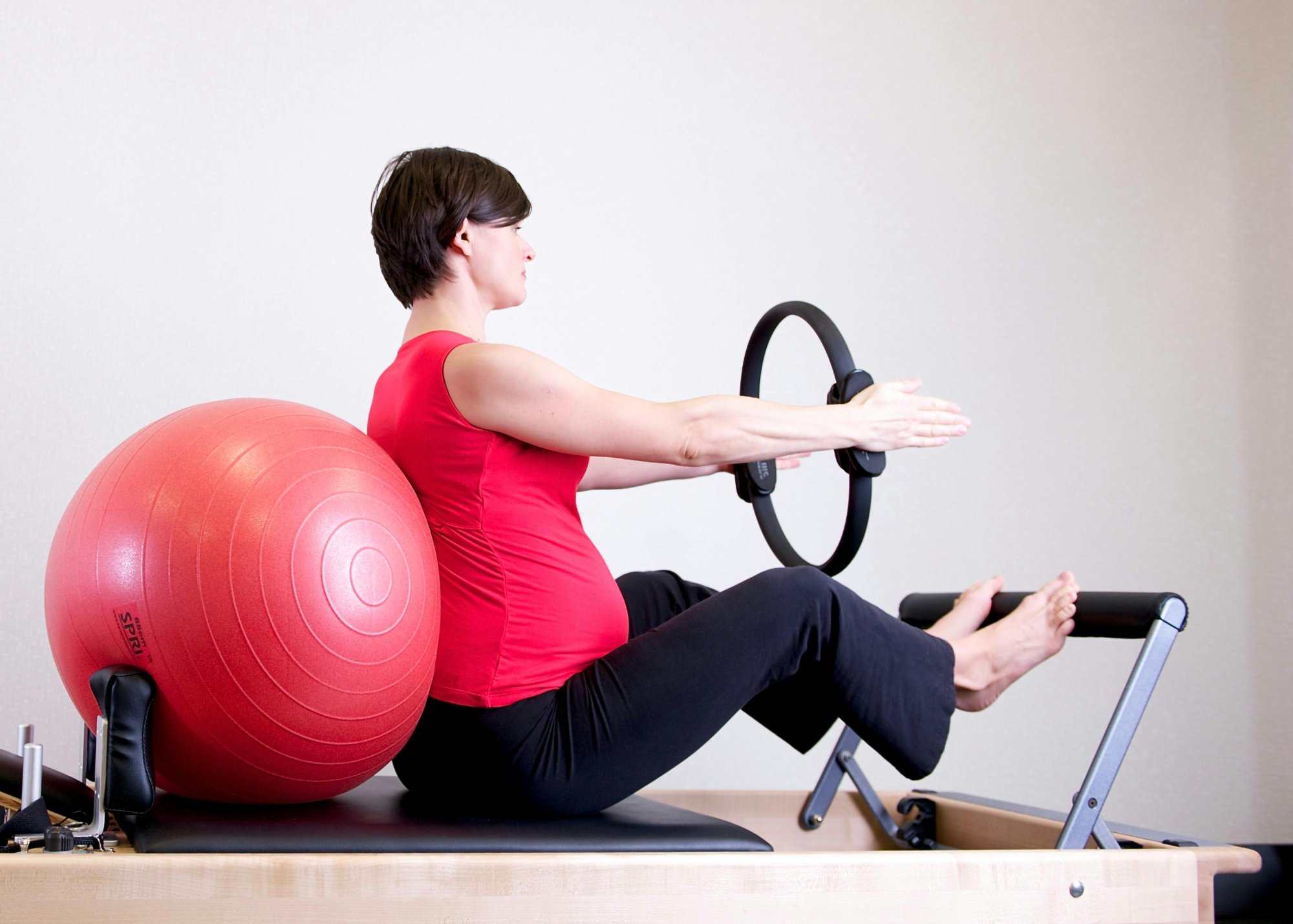
Pilates-based resistance work, particularly on the reformer, fits squarely within this framework. The spring system provides variable resistance. The exercises are compound. The environment is controlled enough to maintain proper form — which matters more as you age, not less.
What this really means
This article isn't meant to scare you. It's meant to give you something more useful than fear: information, and the agency that comes with it.
Sarcopenia is not inevitable in the way we once assumed. It is accelerated by inactivity and poor nutrition, and it is slowed — sometimes substantially — by consistent, structured resistance training. The research is not ambiguous on this point. The question is not whether to start, but when.
And the answer to that, for anyone reading this, is now.